Translation: Sightseeing Vienna
I love the planning portion of my vacations, and since I had never been to Vienna, I watched several videos of things to do in the city. As a tourist, while I want to see all the main attractions, I also want to see some lesser known ones, too.
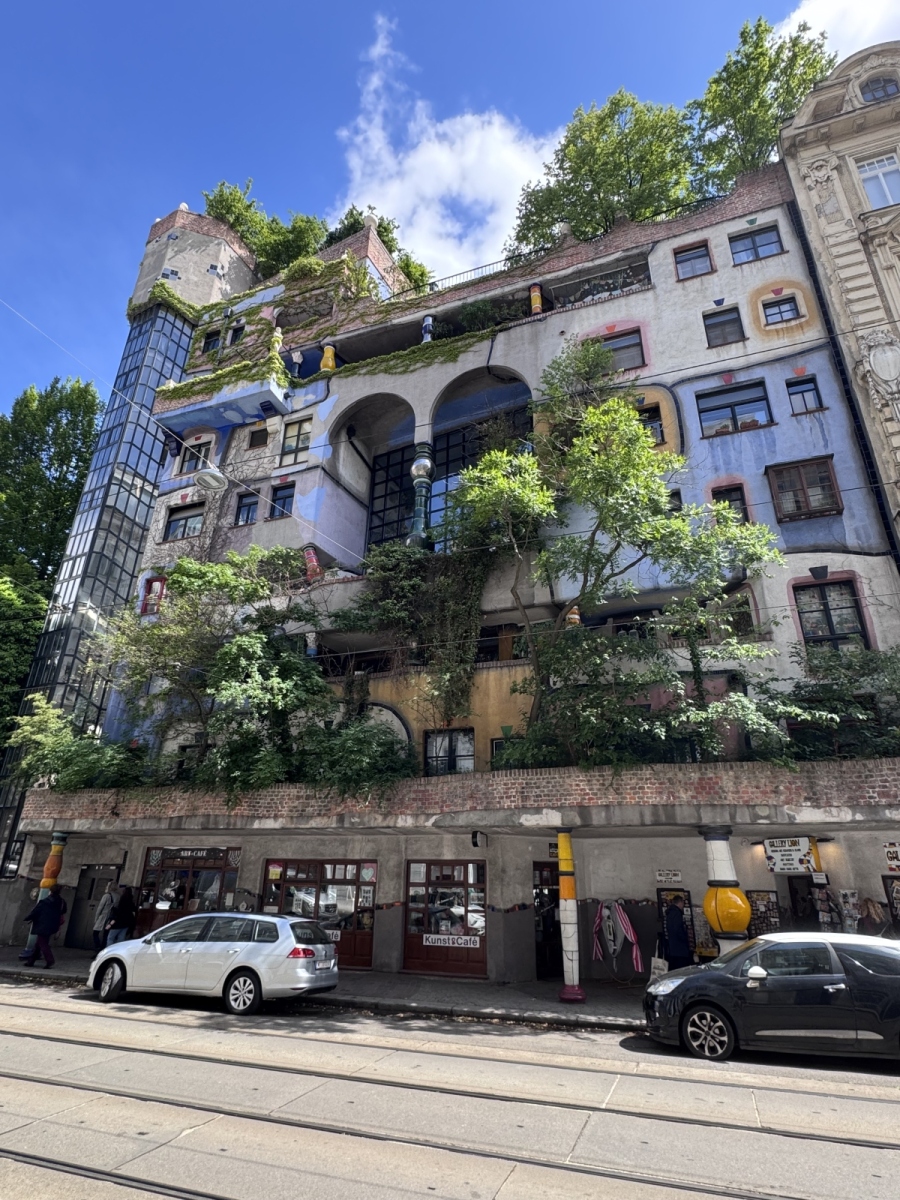
Before I started my research for this trip, I did not know who Hundertwasser was, but I loved the surrealist architecture he designed. This was a great, “off the beaten path” tourist attraction for me to seek out.
I made my way towards the east side of Vienna via tram. Chicago used to have an extensive street car system along with the venerable El trains, and every time I am in Europe, I wish Chicago had never gotten rid of them (don’t get me started about Indianapolis). These trams co-exist well with the cars, bikes, and pedestrians, and while I am sure the normal Chicago road rager wouldn’t be as congenial, a transit nerd can dream.
When I am traveling in a new place, I never wear headphones because I want to experience the full embodiment of what makes the vibes of a city. This also leads me to be an avid eavesdropper, and while the tram passed along the Danube, I overheard someone say, “We have a riverwalk like that in Chicago.” Ironically, she and her friend were getting off at the same stop, and while I am usually adverse to approaching people, I said hello and that I was from Chicago, too. She probably thought I was a total weirdo, but well, maybe I am!
Along my walk, I encounter a beautiful church, St. Othmar, which I went into after I visited the Hundertwasserhaus & Village, and I also popped into another Billa grocery store, which appears to be the predominate chain in Vienna, with everything from convenience stores to full sized groceries. I love grocery stores!
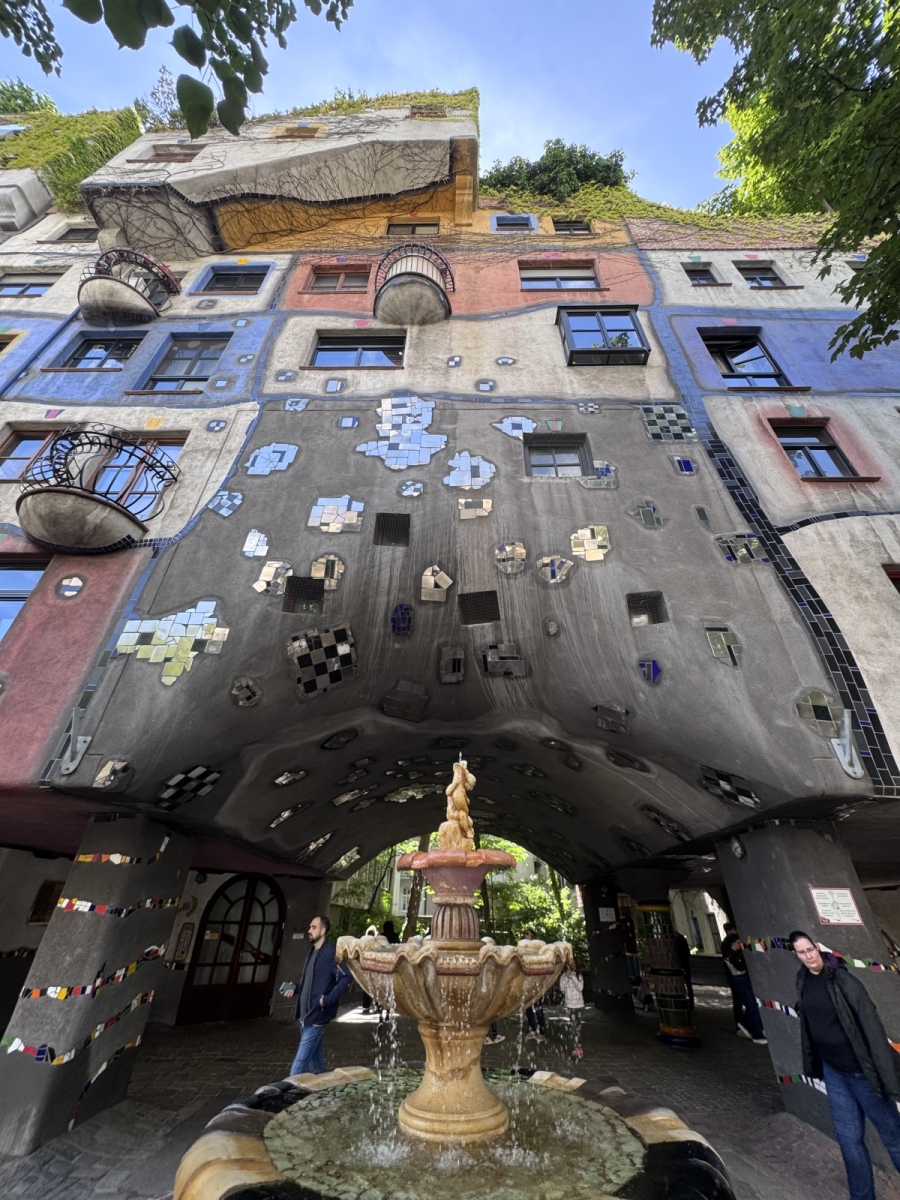
I walked the few more blocks to the Hundertwasserhaus. From the street, I will admit to being a little underwhelmed at first, but then when my eyes started to take in all the fantastical elements of the design, I began to have a visceral reaction to the work.
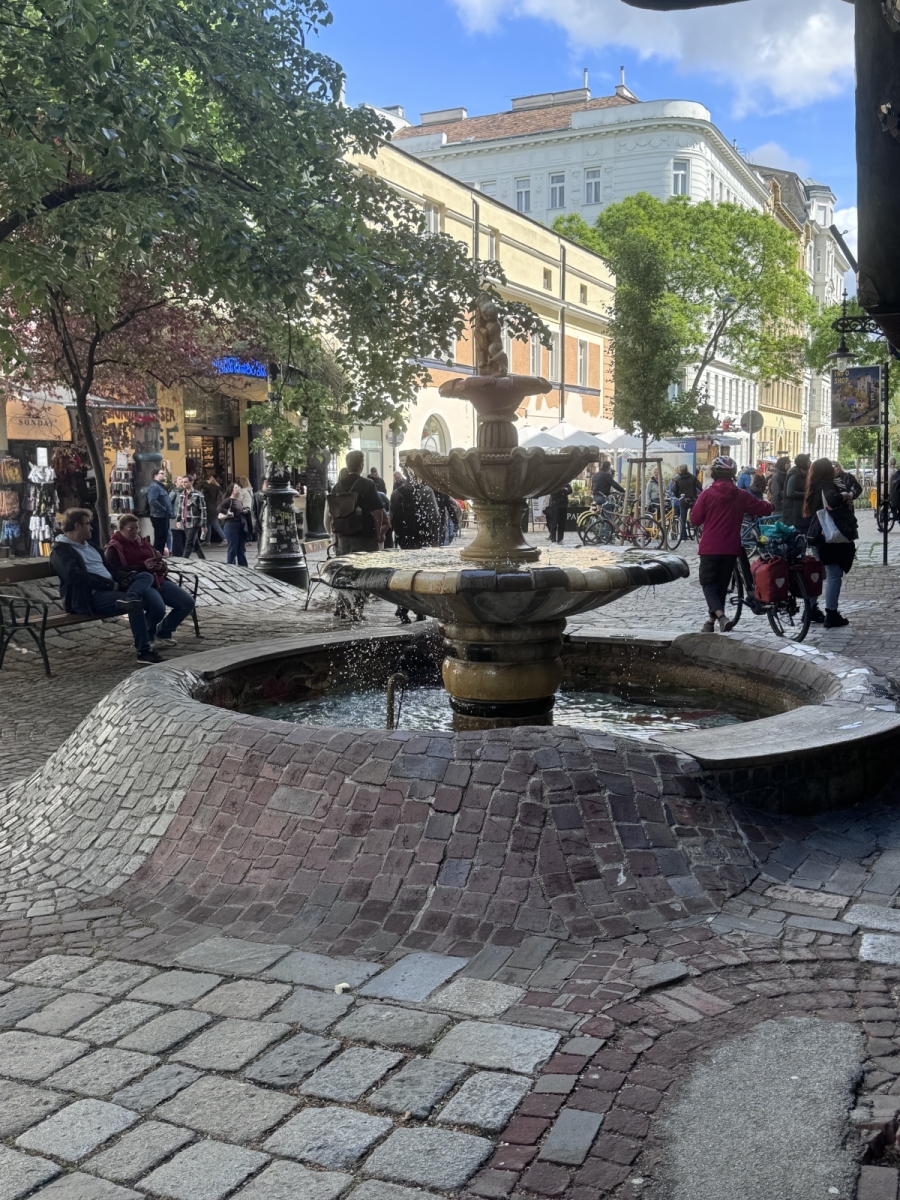
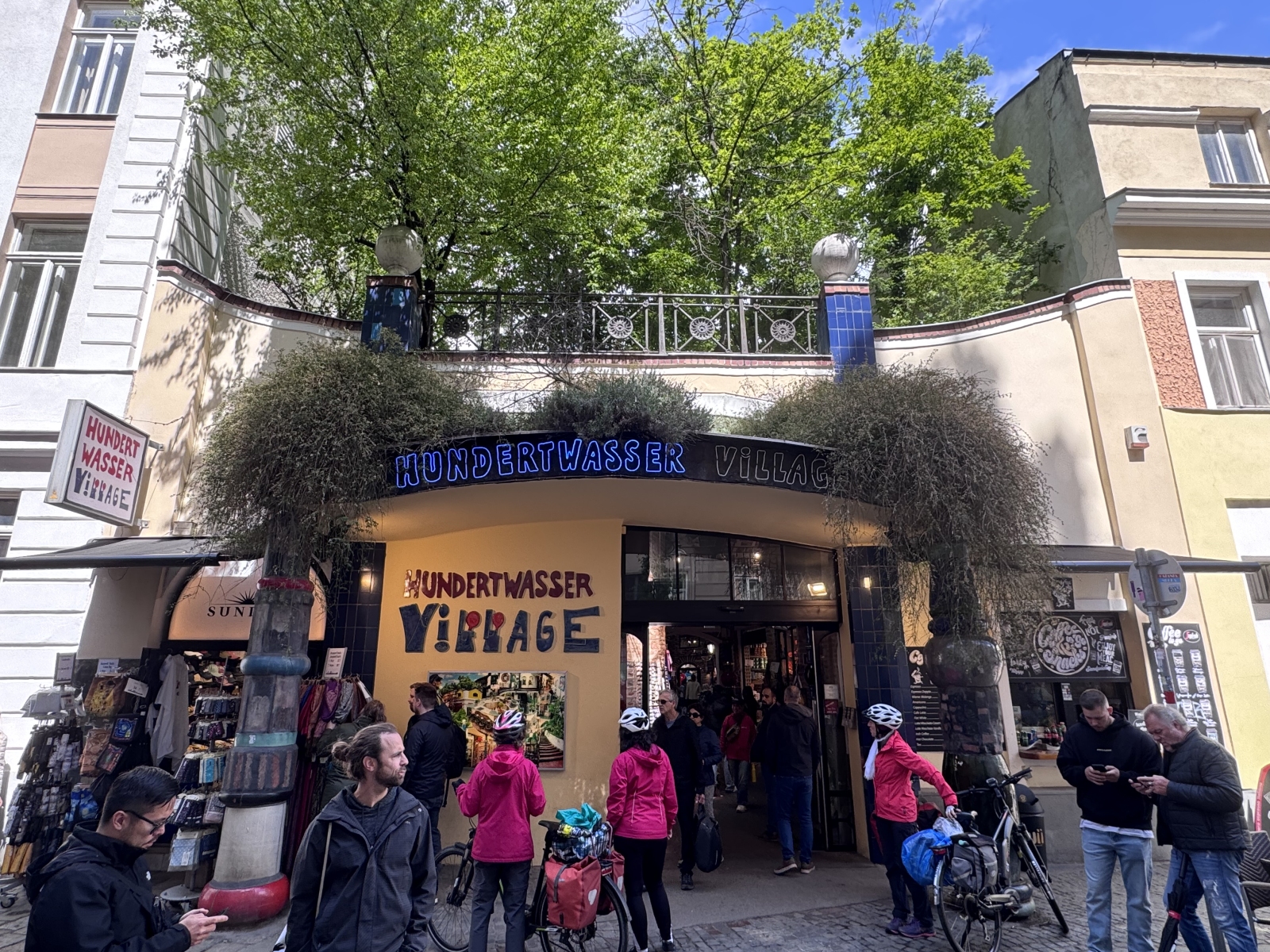
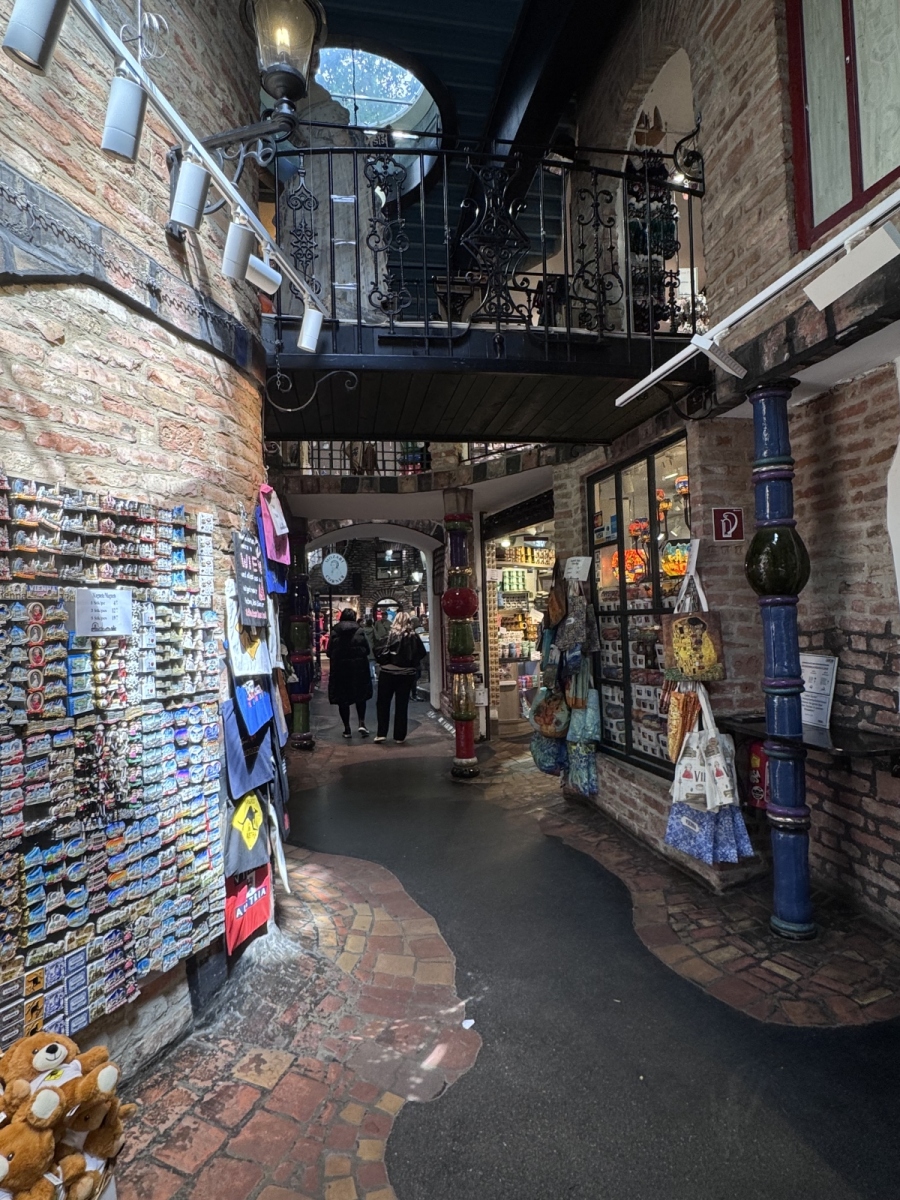
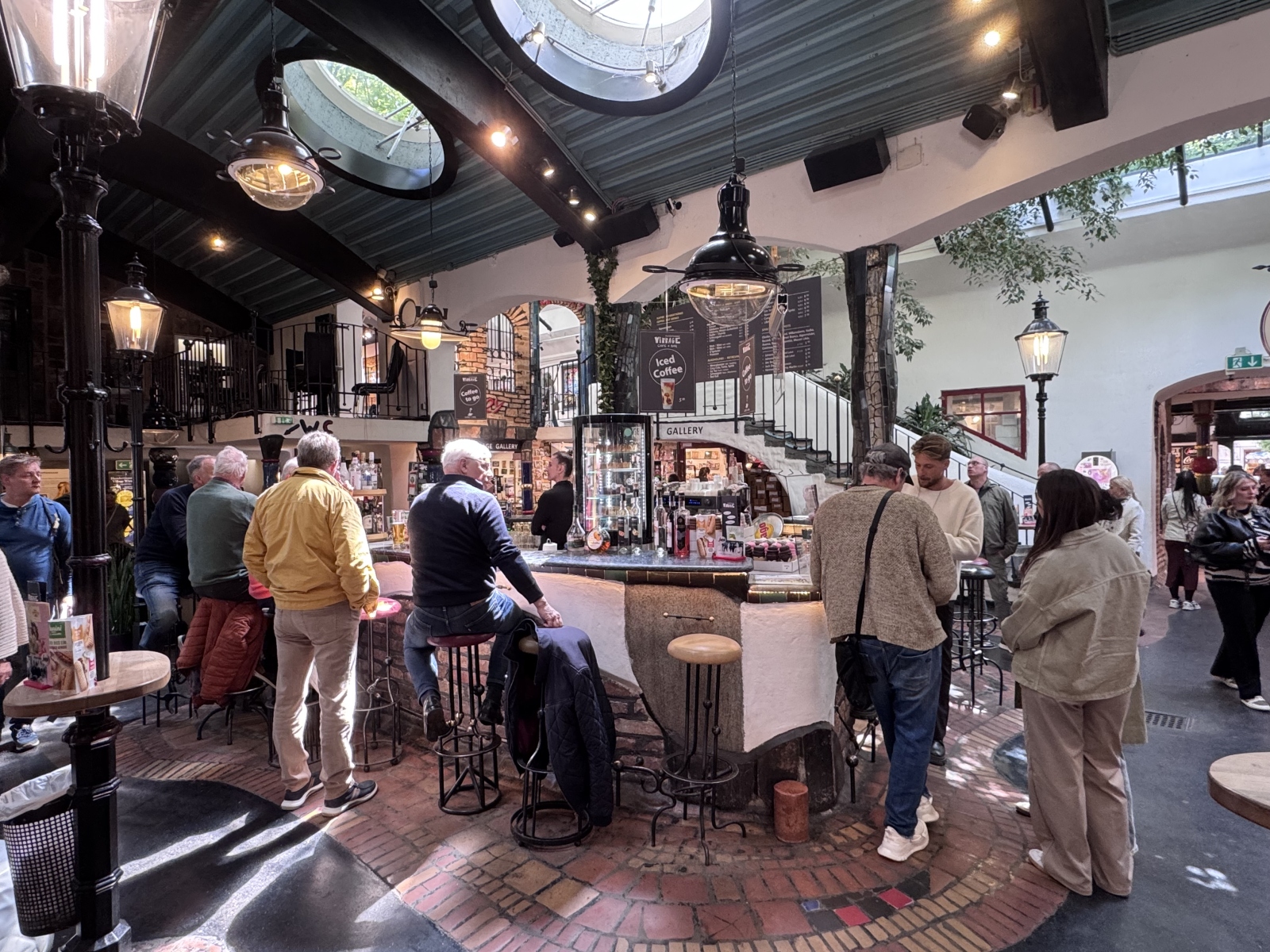
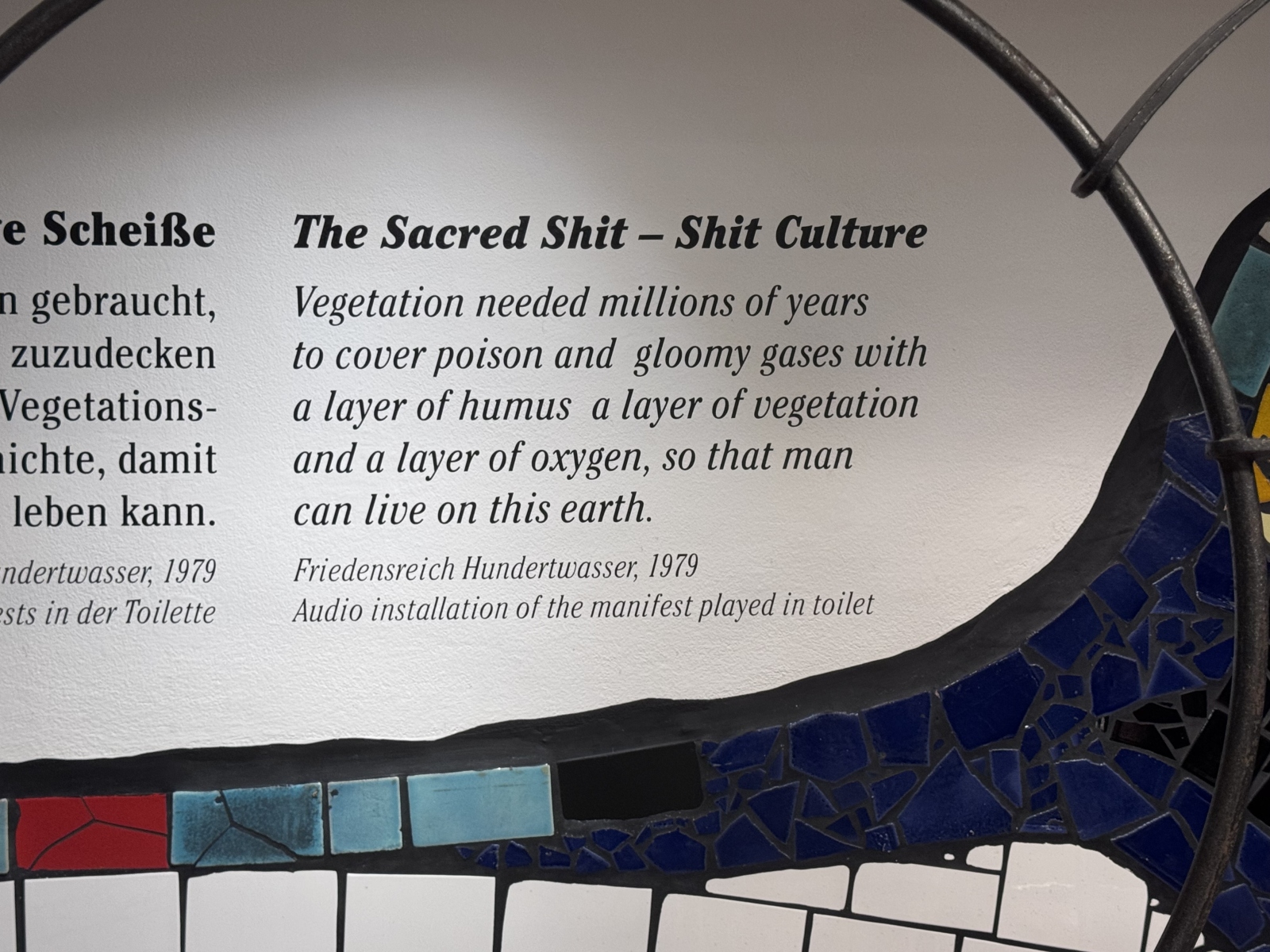
Friedensreich Hundertwasser was a joyfully rebellious Austrian artist and architect who set out to banish straight lines from everyday life and replace them with color, curves, and living greenery. As I wandered through the Hundertwasserhaus and the quirky Hundertwasser Village, I could see his ideas in action: wavy floors under my feet, mismatched windows, and his famous “tree tenants” bursting out of the façade like unruly, green-haired residents. The “Village” is actually a series of stores with a potpourri of items from touristy knickknacks to art, and there is central cafe/bar. There is even a fully designed Hundertwasser toilet, but as is the case with most public toilets in Vienna, there is a cost to use it. Since I hadn’t gotten any Euro coins yet, I didn’t get to see the full glory of that particular water closet, but I did get an iced coffee at the cafe before moving on.
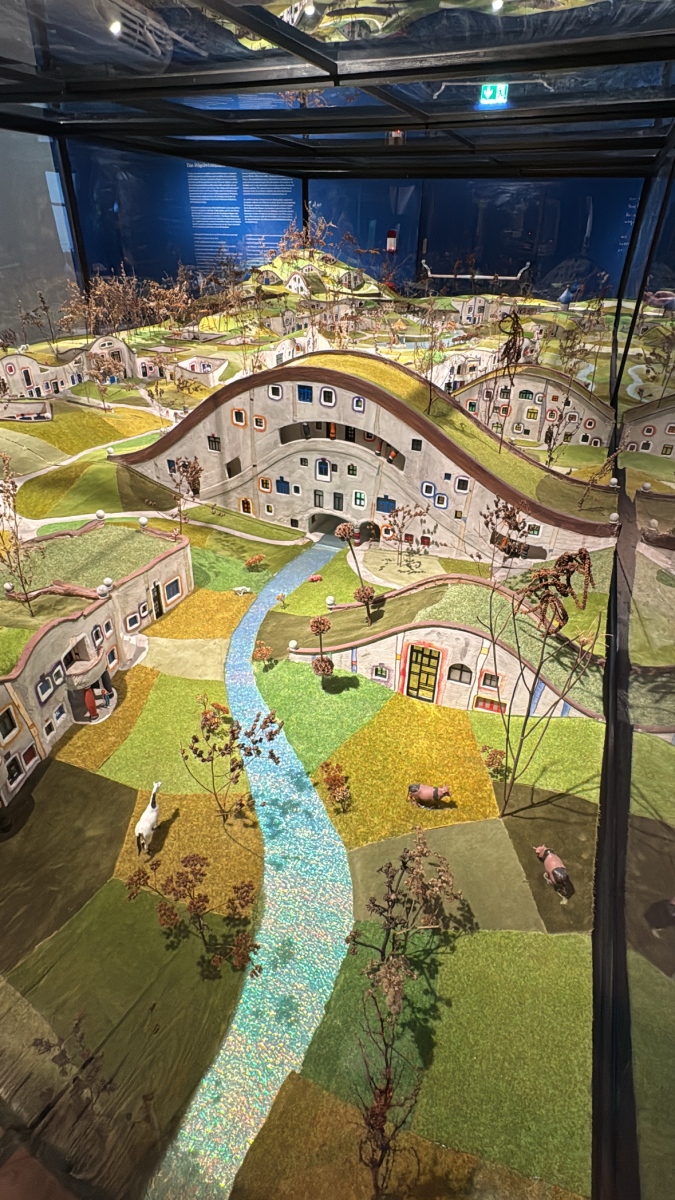
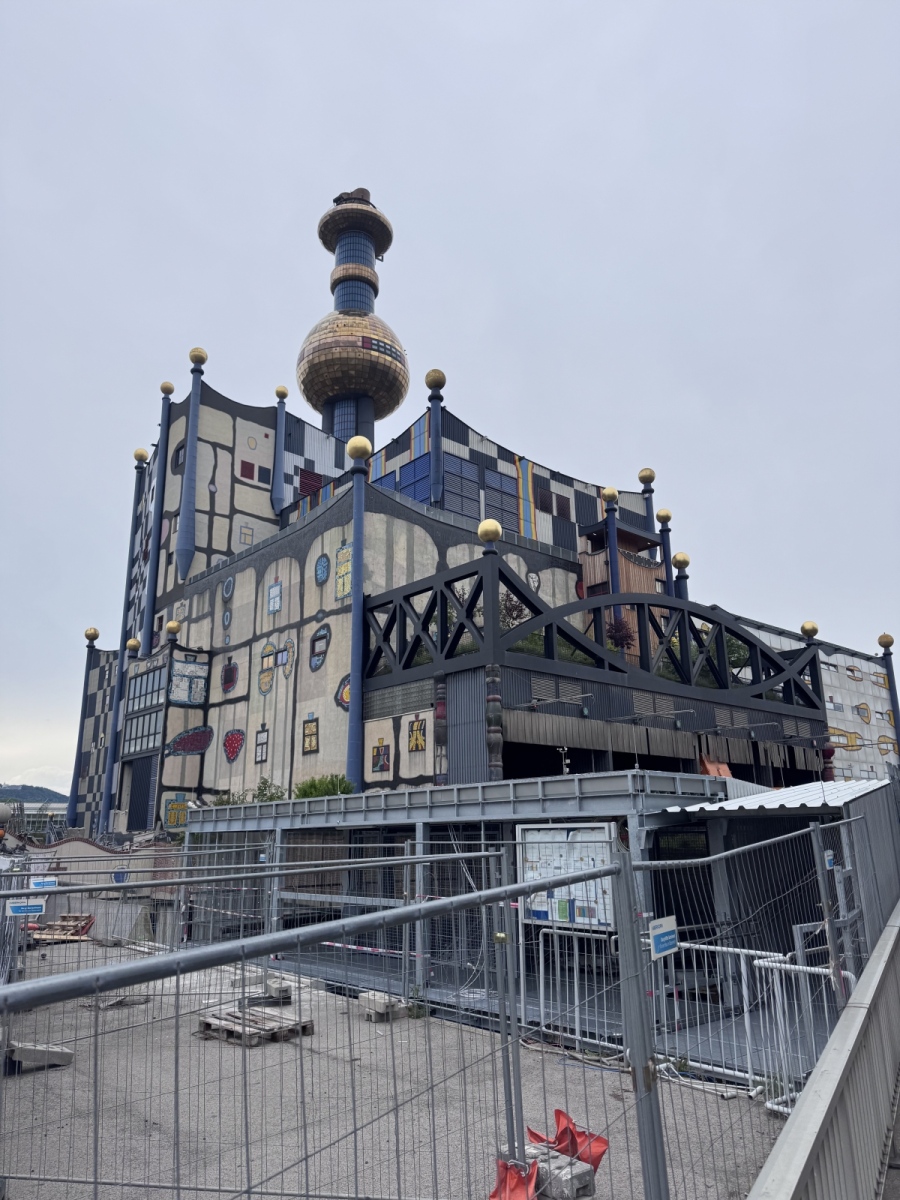
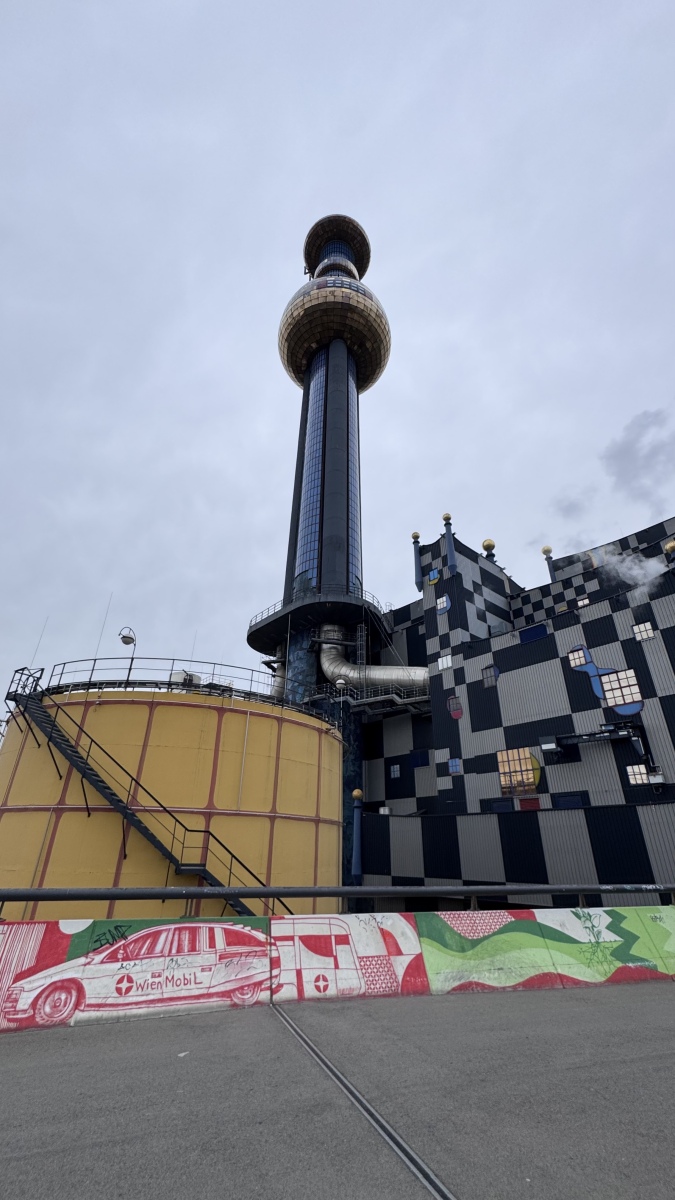
At the Kunst Haus Wien museum, a short walk from the haus and village, Hundertwasser’s paintings, prints, and ecological manifestos gave even more context to the wildness I’d just walked through, and later, standing in front of the fantastically decorated Spittelau incinerator, it felt like even a piece of city infrastructure had been pulled into his playful, eco-conscious universe.
While I am sure going to see an incinerator, built to create enough energy to power 50,000 homes in Vienna, is not most people’s idea of a good time, but after enjoying a great lunch al fresco at the bistro in the Kunst Haus, I did just that. I made my way north along the Danube, this time via tram and U-Bahn subway. It was definitely interesting to see a large scale Hundertwasser work, even if it looked like it would fit in better at EPCOT center.
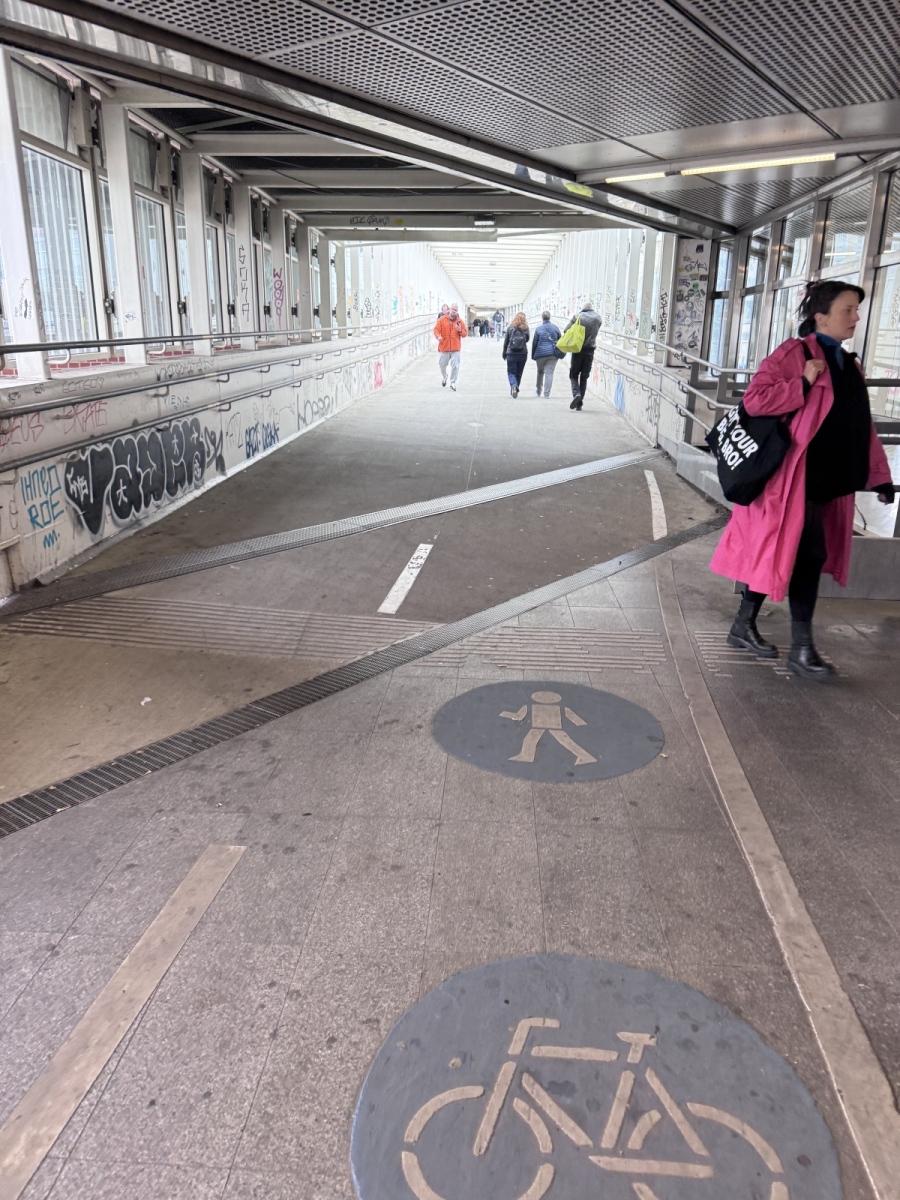
After taking a few shots of the incinerator, I made my way back to the tram to go back to the flat. Once again, I was amazed by the integration of pedestrian, bike, and small electronic scooter infrastructure in Vienna. Europeans really know how to do it.
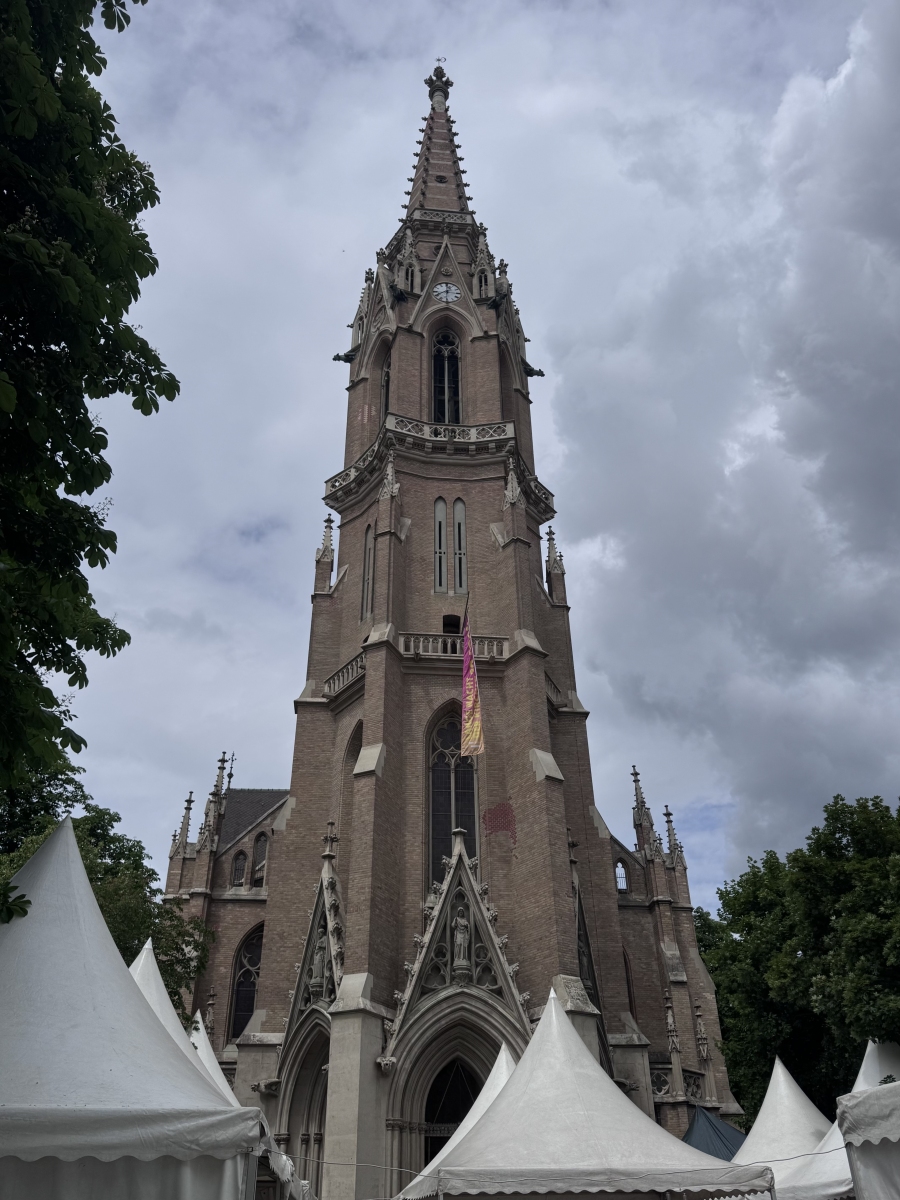
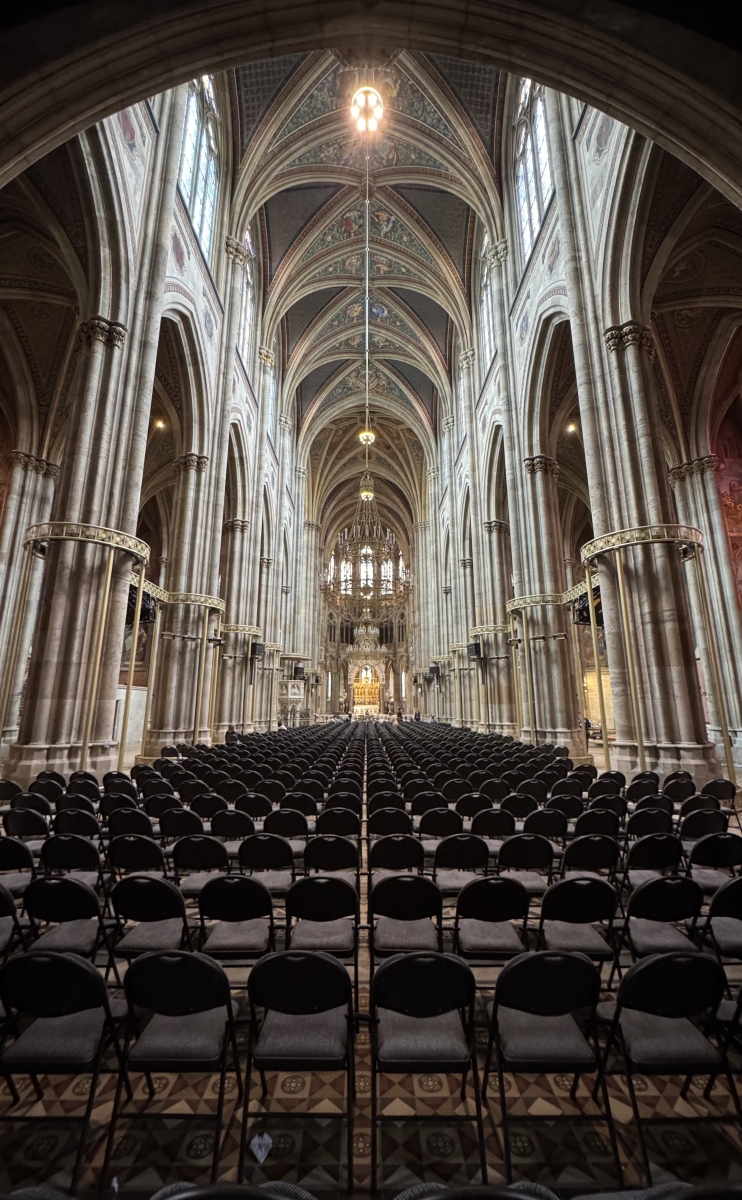
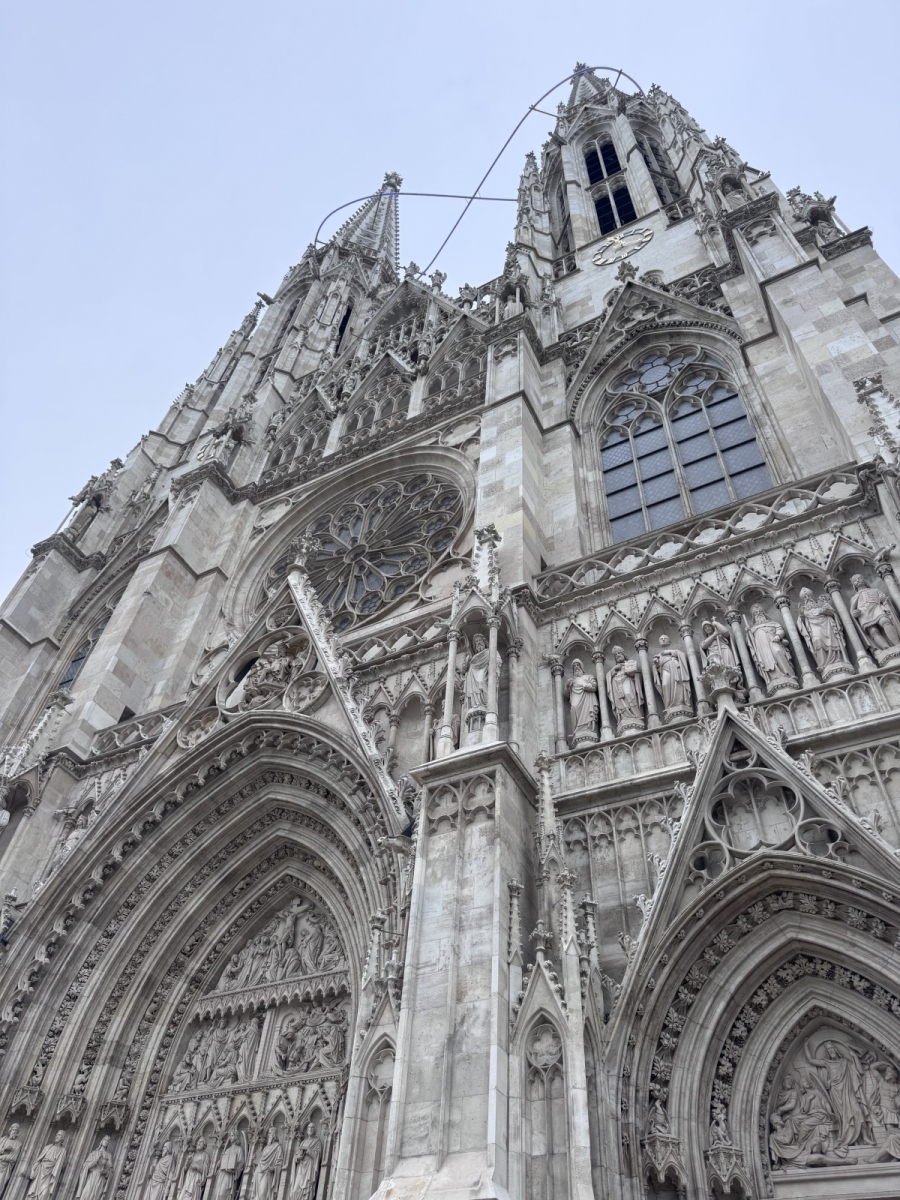
After getting to my stop, I walked through the Sigmund Freud Park that sits in front of the beautiful Votivkirche, which dominates the area around or flat.
The Votive Church is a striking neo-Gothic beauty built in the 19th century as a thank‑offering after Emperor Franz Joseph survived an assassination attempt. Its twin spires, richly detailed façade, and glowing stained glass make it feel more like a fairy‑tale cathedral than a parish church, especially when you step inside and see the light filtering through the colorful windows.
It was around 3:45 when I walked in, and I didn’t realize they closed at 4. I snapped a few pictures with the hope that I would be able to go back before I left Vienna. While I didn’t have a lot of time on Saturday before the Eurovision Grand Finals, I did break out of the flat to go see the Votiv and another set of church spires that I could see from our balcony, which turned out to be the baroque Church of the Holy Trinity. I was just doing some research about it for this post, and I didn’t realize until now that this is where Beethoven’s funeral was held, and Schubert actually wrote music for the church. Wow! This is why you go towards the things that interest you when you travel, even if you didn’t plan on it in the first place.
This pretty much wraps up the sightseeing for Vienna, though I did get to pop into Peterskirche, aka the home of Opus Dei (the conservative wing of Catholicism – nice church), which is also where Beethoven’s funeral was held. The rest of Saturday was filled with the Grand Finals of Eurovision and some more socializing until we all departed Vienna on Sunday morning.
As I am writing this, my train from Budapest to Prague is just pulling into Vienna. I do love the symmetry.